Why More Facilities Are Electrifying Process Heat
 For decades, natural gas has been the dominant fuel source for industrial process heating. From drying and curing to air handling and thermal conditioning, gas-fired systems have powered countless operations. Driven by sustainability initiatives, corporate environmental goals, evolving regulations, and the growing availability of renewable energy, industries, including those with mission critical applications, are increasingly exploring ways to electrify their operations. One of the most significant opportunities lies in replacing gas-fired process heat with modern electric heating technologies.
The Push Toward Decarbonization
Organizations across virtually every industry are facing increased pressure to reduce their carbon footprint. For many facilities, process heating systems represent a substantial portion of overall energy consumption and emissions. As a result, these systems have become a primary target for decarbonization efforts. Transitioning from combustion-based heating to electric process heat can significantly reduce direct emissions while supporting broader corporate environmental objectives. As electrical grids continue incorporating more renewable energy from solar, wind, and hydroelectric sources, the environmental benefits of electrification become even greater. But sustainability is only part of the story. Many manufacturers are discovering that electric heating offers operational advantages that can improve productivity, product quality, and overall process control.
The Operational Benefits of Electric Heat
Traditional gas-fired systems have served industry well for many years, but they also come with inherent limitations. Combustion systems require fuel delivery infrastructure, burner maintenance, exhaust management, and ongoing monitoring. They can introduce temperature fluctuations, combustion byproducts, and efficiency losses that impact process performance. Electric heating eliminates many of these challenges. Because heat is generated directly at the point of use, electric process heaters often deliver greater efficiency and more precise temperature control. They can respond quickly to changing process requirements and provide highly repeatable results, helping manufacturers improve consistency and product quality.
Partnering with an Experienced Heating Provider
As manufacturers evaluate electrification initiatives, choosing the right heating technology partner becomes critical. TUTCO has decades of experience designing electric process heating systems for demanding industrial applications. Our engineering team works closely with customers to understand process requirements, evaluate existing systems, and develop solutions that support both operational and sustainability goals.
As industries, including those with mission critical applications, continue the move toward cleaner and more efficient operations, electrification is becoming an increasingly important part of the conversation. Organizations that begin evaluating these opportunities today will be better positioned to improve efficiency, reduce emissions, and prepare for the future of industrial manufacturing.
ASK IAN
Unusual Heater Applications
by Ian Renwick

Everyone's aware of cartridge, band, strip and tubular heaters used for the 'ordinary' applications that we've all heard of before, like band heaters for injection machines or cartridge platen heaters. Here are some of the weirder things our heaters have been used for. These are applications we've provided heaters for, or only quoted, or walked away from.... all being a bit unusual.
When you buy a product in a sealed bag that's offered on a peg board (think of bulk candy or disposable razors), there's a little hole at the top of the bag so it can fit on the peg. We make a little cartridge heater with a special sharpened end to cut those holes.
We've sold cartridge heaters that are used to seal plastic bags for carrots. Why only carrots? That was the customer's niche.
We've made tubular heaters that have been used as animal hide branders. Ouch!
We worked on a cast-in aluminum heater for the base of a nuclear reactor chamber. After some consideration and risk assessment, we passed on this one.
How about a one-time use cartridge heater? We've provided heaters in the oil industry to clear out sensors in an exploratory oil drilling hole. The heater would turn on, fail violently (as intended) and clear the hole so it could be dug deeper. How unusual.
Also in the oil industry, we worked on 12-foot long heaters that would be buried vertically at an oil drill site to clean up any spilled surface oil within the first 6 to 10 feet (depth) of sand at an oil site. The heating would bring the oil to the surface so it could be cleared away.
Have you ever used an outdoor ATM in the dead of winter? Ever notice that the bills coming out of it are warm? Our finned ceramic strip heaters are in there to keep the mechanism from freezing and the bills from sticking to each other.
We've provided finned strip heaters used for comfort heat in public trains and buses. They are placed just behind the grates on the wall under your seat, keeping your toes toasty.
We provided a small cartridge heater for a mission to Mars. It was to be installed on a small dirt sample extract and used to melt the Martian soil so a sample could be taken.
We built heaters for an enormous 3D printer chamber (about the size of a bus) to prevent the 3D printed part from warping during printing.
We've provided a variety of heaters for the biofuel industry, used in large machines that convert soybeans, rapeseed plants or palm tree leaves to light and dark oil, pure carbon, and a variety of gases.
Don't want those cows to have frozen water to drink? We've built heaters that keep outdoor water troughs from freezing.
We've built heaters that, through a chemical reaction, will store that heat energy as chemical energy in the way of chemical bonds. When that chemical process is reversed, breaking the bonds, it releases the energy as heat so it can be used where needed.
We've built heaters that keep baby chicks warm (and alive) as they travel down the road in a big semi-truck.
Ever heard of the Punkin Chunkin event? Punkin Chunkin is the sport of hurling a pumpkin by mechanical means for distance. The devices used include slingshots, catapults, centrifuges, trebuchets, and pneumatic air cannons. We've provided large band heaters that are wrapped around some of the pneumatic cannons to increase the pressure and give the pumpkins an extra push when being fired. This sport is taken very seriously by some. The world record from 2011 is when a pumpkin was shot 5545 ft (1.05 miles). Very serious indeed.
That's just a few of the unusual applications we’ve been involved with. They certainly keep things interesting!!
THINKING OUTSIDE THE BOX
You Used an Electric Heater for What?
Unique Electric Heater Locations & Applications!
by Jeff Elrod
Electric heat is often associated with HVAC systems in our homes. It has been used for comfort heating applications for decades, whether as a primary heat source or as auxiliary heat in heat pump and gas-fired systems. With the growing popularity of dual-fuel systems, electric heat continues to play an important role in residential heating. Beyond HVAC, most people also recognize electric heating elements in stoves, ovens, and other household appliances. As we discussed last month, electric heat is even used in dehumidification applications.
Beyond residential use, electric heat serves countless commercial and industrial processes. Common applications include drying, plastic molding, metal softening and tempering, forming, and packaging operations. These processes utilize a variety of electric heating methods, including conductive and convective heating. Today, however, we want to highlight some of the more unique applications for electric heat.
The food service industry relies heavily on electric heating for food preparation, processing, and preservation. TUTCO Farnam heaters are used in applications ranging from maintaining the perfect finish on luxurious chocolates and confectionery products to drying, roasting, and processing nuts, produce, and jerky. Electric heat also plays a vital role in the production of cheese, candy, chewing gum, and many other food products. Brewing operations—whether large-scale manufacturers or small craft breweries, wineries, and distilleries—also depend on electric heat throughout various stages of production.
Electric heat is equally important in laboratory and testing environments. Independent laboratories, manufacturers, and government agencies use electric heaters to simulate extreme conditions and evaluate product safety, reliability, and performance. These applications support production testing, research and development, and specialized military and government testing programs.
Some of the most unique applications for our heaters include image transfer presses for custom mugs, where our products help power equipment backed by the industry's only lifetime warranty. Known for their durability and reliability, our heaters are trusted in demanding environments around the world—and even beyond it. Our products are used aboard the International Space Station in a wastewater purification system that relies on electric heat. From high-profile aerospace applications to everyday uses such as boat window defrosting, freeze protection, drying processes, and industrial process heating, electric heat serves a remarkably wide range of industries. It is also critical in rapidly growing sectors such as pollution abatement and data center operations.
At TUTCO Farnam Custom Products, we offer a comprehensive range of forced-air heating solutions for virtually any application. Our product lineup includes industrial duct heaters, Heat Torch™, Cool Touch™, Flow Torch™, and Pressure Torch™ solutions. These products range from compact heaters designed for small-scale applications to large, custom-engineered systems built for complex industrial processes.
When a solution falls outside our product offering, we work closely with our sister companies to help customers find the right fit. We take pride in thinking outside the box and developing innovative heating solutions that address our customers' unique challenges and application requirements.
Share Details & QuoteFEATURE APPLICATION
Battery Energy Storage
Precision Thermal Management for Lithium-Ion Battery Performance, Safety, and Longevity
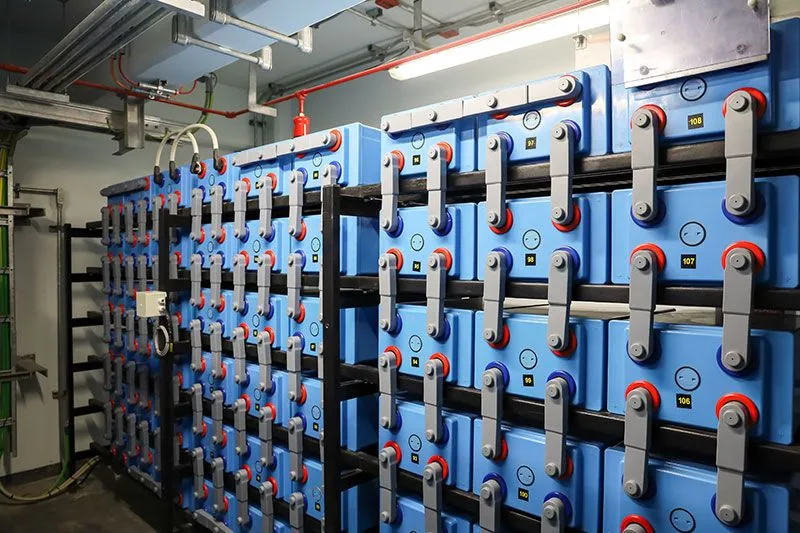
As renewable energy adoption continues to accelerate, Battery Energy Storage Systems (BESS) have become one of the most important technologies supporting the modern power grid. From utility-scale solar farms and wind installations to microgrids, backup power systems, and EV charging infrastructure, battery storage is helping organizations capture energy when it's available and deploy it when it's needed most. But while much of the attention surrounding energy storage focuses on battery capacity, charging speed, and system performance, there is another factor that can have just as much impact on reliability and lifespan: Temperature.
Why Temperature Matters
At the heart of most energy storage systems are lithium-ion batteries. These batteries are highly efficient and capable of storing large amounts of energy in a relatively compact space. However, they are also extremely sensitive to temperature fluctuations. For optimal performance, lithium-ion batteries typically operate within a relatively narrow temperature range. When temperatures move outside that range, battery performance can begin to suffer.
Excessive heat can accelerate battery degradation, shorten service life, and increase safety risks. Cold temperatures can reduce available capacity, slow charging performance, and limit energy output when power is needed most. In large battery installations containing hundreds or even thousands of cells, maintaining consistent temperatures throughout the system becomes critical. Even small temperature differences between cells can create imbalances that negatively impact overall performance and longevity.
More Than Just Cooling
When battery thermal management is discussed, cooling often receives the majority of attention. While cooling is certainly important, heating plays an equally vital role in many energy storage applications. Battery systems are increasingly being deployed outdoors in environments where temperatures can fluctuate dramatically throughout the year. In northern climates, winter temperatures can significantly reduce battery efficiency and available capacity. In these conditions, batteries often require preconditioning before charging or discharging can occur efficiently. Controlled heating helps bring battery cells into their ideal operating range, improving performance while reducing stress on the battery chemistry. Proper heating also helps maintain temperature uniformity across battery modules, preventing localized cold spots that can impact system operation.
The Growth of Battery Storage The demand for battery energy storage continues to expand as utilities, businesses, and governments invest in grid modernization and renewable energy infrastructure. Energy storage systems are being used in a wide variety of applications, including:
Utility-scale energy storage facilities Solar and wind energy installations Microgrids and remote power systems EV charging infrastructure Backup power and UPS systems Critical infrastructure and emergency power applications
As these systems grow larger and more sophisticated, thermal management is becoming an increasingly important design consideration.
The Role of Electric Surface Heating
Electric surface heating technologies provide a reliable and efficient method of maintaining batteries within their optimal operating temperature range. Unlike combustion-based heating methods, electric heaters deliver controlled, localized heat directly where it is needed. This improves efficiency while allowing precise temperature management. Flexible heater technologies can be integrated directly into battery modules, packs, and enclosures, providing uniform heating across critical components. For battery manufacturers and system designers, this approach offers several advantages:
Improved temperature consistency Faster system readiness in cold environments Enhanced battery performance Longer battery service life Reduced risk of thermal imbalances Greater overall system reliability
As energy storage deployments continue to grow, these benefits become increasingly valuable in ensuring long-term performance and safety.
Designing for Reliability
Developing an effective battery heating solution requires more than simply adding heat. Engineers must carefully evaluate factors such as heater placement, power density, temperature uniformity, environmental exposure, control integration, and safety requirements. The goal is to create a thermal management strategy that supports performance without introducing unnecessary energy consumption or complexity. For OEMs and system integrators, this often means partnering with thermal management specialists who understand the unique requirements of battery systems and can develop customized solutions for specific applications.
Supporting the Future of Energy Storage
Battery energy storage systems are playing an increasingly important role in the global transition toward renewable energy and grid resiliency. As these systems become larger, more widespread, and more critical to infrastructure, effective thermal management will remain essential to their success. Maintaining batteries within their ideal operating temperature range helps maximize efficiency, improve reliability, extend service life, and support safe operation throughout the life of the system. To learn more about battery thermal management strategies and TUTCO Farnam's flexible heating solutions for Battery Energy Storage Systems, visit our complete Battery Energy Storage Systems Temperature Conditioning resource page.
FEATURE VIDEO
TUTCO SureHeat's OTP
Protecting Your Heater Investment with Over-Temperature Protection
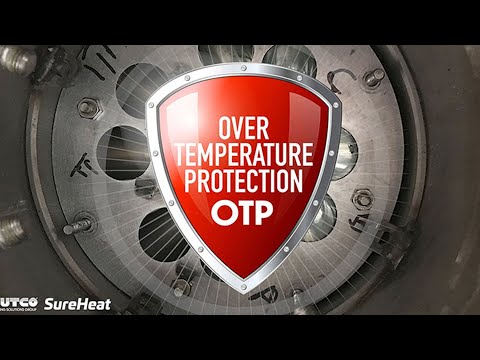
When it comes to process heating, unexpected downtime can be expensive. A loss of airflow or other operating issue can quickly cause heater temperatures to rise, potentially damaging heating elements and disrupting production. That's why TUTCO SureHeat developed its Over-Temperature Protection (OTP) system. This month's featured video explains how OTP helps protect heaters from overheating and premature failure. Using the heater's internal Type K thermocouple along with an external limit control, the system continuously monitors operating temperatures. If unsafe conditions occur, OTP automatically trips the contactor and shuts down power before damage can occur. The result is greater reliability, longer heater life, and reduced risk of unscheduled downtime. OTP can be incorporated into new custom heating systems or retrofitted into many existing installations, providing an additional layer of protection for critical process heating applications. Watch this month's video to learn how TUTCO SureHeat's Over-Temperature Protection helps keep your heating systems running safely and reliably.