OEM Solutions for PowerGen Equipment Manufacturers
Bringing new power generation equipment to market has never been more challenging. OEMs are expected to develop innovative products faster, shorten design cycles, and scale production efficiently—all while maintaining the reliability their customers demand. Whether designing standby generators, battery energy storage systems (BESS), UPS equipment, microgrids, or fuel cell systems, thermal management is often a critical part of the overall design. The right heating solution can improve performance, extend equipment life, and ensure reliable operation in demanding environments. That's why more manufacturers are looking for a heating partner that can support the entire product lifecycle—from early prototypes through full-scale production.
Engineering Beyond the Heater
Heating systems shouldn't be treated as an afterthought. Integrating thermal management early in the design process often leads to better-performing equipment and fewer engineering changes later. Every application presents its own challenges. Some systems require heated airflow to condition intake air or maintain enclosure temperatures. Others rely on flexible heaters that conform to batteries, fuel systems, tanks, or complex mechanical assemblies. Control panels and electronics often need enclosure heaters to prevent condensation and maintain reliable operation in harsh environments. By working closely with OEM engineering teams, heating solutions can be tailored to fit the application rather than forcing the application to adapt to a standard product.
Simplifying the Path to Production
One of the biggest hurdles many manufacturers face isn't designing the first prototype—it's successfully transitioning that design into production. Using different suppliers for prototypes, pilot runs, and production can introduce unnecessary complexity. Each transition requires new documentation, qualification, and manufacturing processes, increasing both cost and development time. TUTCO Farnam takes a different approach. Projects can begin with prototype quantities as low as ten pieces and grow to production volumes exceeding 10,000 units per month while working with the same engineering and manufacturing team. That continuity helps maintain product consistency, simplifies communication, and reduces the risks that often accompany supplier changes.
Built for the PowerGen Market
Power generation equipment is evolving rapidly, and thermal requirements are evolving with it. Standby generators require dependable cold-start performance. Battery energy storage systems depend on precise temperature management to maximize battery life and performance. UPS systems, microgrids, and fuel cell technologies all require carefully engineered heating solutions to ensure reliable operation in a wide range of operating conditions. To support these applications, TUTCO Farnam offers a broad portfolio of heating technologies, including process air heaters, Flow Torch™ heaters, flexible heaters, enclosure heaters, and fully integrated custom heating assemblies. This range allows engineers to select the technology that best fits their equipment while simplifying system integration.
More Than a Component Supplier
As products move toward commercialization, manufacturing flexibility becomes just as important as engineering expertise. OEMs need suppliers that can support changing production volumes, provide consistent quality, and help optimize designs for manufacturing without sacrificing performance. They also benefit from working with a partner that understands the realities of production planning, supply chain management, and long-term product support.
TUTCO Farnam works as an extension of its customers' engineering teams, helping develop application-specific heating solutions that are designed for both performance and manufacturability. By combining engineering support, rapid prototyping, and scalable manufacturing under one roof, the company helps OEMs reduce development time and bring products to market with greater confidence. In today's competitive PowerGen industry, success depends on more than selecting the right heater. It requires choosing a partner that can support your product from concept through production—and continue delivering consistent quality as your business grows.
ENGINEERING INSIGHT
Solving Manufacturer's Heating Challenge with the Serpentine II
by AJ Nidek
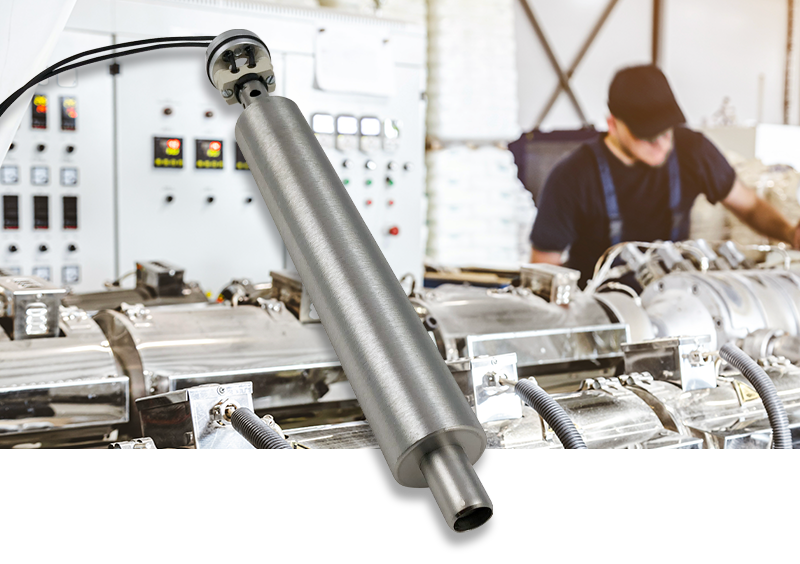
We recently visited one of our long-term customers that we provide band heaters to. This was a first time visit to their facility as they are located in an area that we rarely get to. While we were there, we noted that they were using air heaters to dry and maintain products on their extrusion lines where heated air is used to dry and stabilize products before final processing. Without that heat, the material would begin to warp, creating substantial scrap and unnecessary waste. The customer had already tried a number of heating systems prior to our team introducing them to a solution reliable enough for the realities of the production floor.
Their first approach involved using off-the-shelf hot air units that were essentially metal industrial versions of handheld blow dryers. While simple in concept, the heaters struggled to produce the temperatures required for the application. Each unit also needed its own electrical drop, which quickly turned into a maze of wiring across nearly two dozen production lines. Maintenance soon became another issue. Even in a relatively clean facility, enough airborne dust and debris existed to clog the small internal fans on a daily basis. Once airflow dropped, heater failures followed. The problem became so routine that third-shift employees were regularly taking broken units apart and cobbling together working heaters from spare parts just to keep production moving. While that kind of “make it work” mentality is common in manufacturing, it created obvious safety concerns and consumed valuable labor resources.
The customer’s next attempt involved an all-in-one heater package with onboard controls and a brushless motor. From a temperature standpoint, the system performed much better, but it introduced an entirely new set of problems. The units used small washable filters that clogged quickly in the facility’s environment. Operators eventually removed the filters completely to maintain airflow, but doing so allowed dust and debris to be pulled directly into the motors. As airflow became restricted, heater temperatures climbed even higher. Eventually, the excessive heat began damaging the onboard controls themselves, in some cases literally melting components inside the units. The controls also created operational inconsistency. Operators frequently adjusted temperatures using a simple dial control depending on what they felt was needed at the time. As temperatures drifted outside the ideal process range, scrap rates increased. The issue became so severe that maintenance personnel eventually disconnected the controls entirely just to stop constant adjustments on the floor.
Power consumption added another layer of frustration. These heaters operated close to 20 amps, which meant breakers were tripping regularly throughout the facility. During our visit, maintenance personnel were actively dealing with exactly that issue. With numerous heaters operating across roughly a dozen production lines, even resetting breakers became a recurring drain on production time. At the same time, operators still needed the flexibility to angle heaters and reposition nozzles depending on the shape of the extruded product.
After reviewing the application, we recommended the TUTCO SureHeat Serpentine II. Unlike the previous systems, the Serpentine II uses compressed air rather than relying on onboard fans or motors. That immediately eliminated one of the customer’s largest reliability concerns. Because the compressed air system already included proper filtration, dust and debris were no longer being pulled directly through the heater assembly.
The triple-pass heater design also offered another practical benefit: a cooler external surface temperature. In a busy manufacturing environment where operators regularly work around process equipment, reducing exposed surface temperatures can improve overall safety on the floor. The customer was also particularly interested in the heater’s field-replaceable heating core. Anyone familiar with industrial heating understands that heater failures eventually happen. The question is not usually if a heater will fail, but how quickly production can recover when it does.
With the Serpentine II, replacement is straightforward. Operators can power down the unit, remove the tail section, replace the heating core, plug in the new two pin heater core, and return the unit to service within minutes. The Serpentine II also helped solve several operational issues at once. Because the heater operates below the 20-amp threshold, nuisance breaker trips were eliminated. The absence of onboard operator controls eliminated constant temperature adjustments at the line. Instead, process temperatures could be established through airflow settings and maintained consistently from shift to shift. Its compact footprint also made it easier to position and angle the heaters to match different extrusion profiles.
For the customer, the result was more than simply replacing a heater. It was a safer, cleaner, and far more reliable process built around a heater made in the USA and designed for real-world manufacturing conditions.
THINKING OUTSIDE THE BOX
Into the Final Frontier: To Space and Beyond!
by Jeff Elrod

Recently, my family vacationed in the Cocoa Beach and Cape Canaveral area of Florida. During our trip, I had the opportunity to witness a SpaceX Falcon 9 launch carrying a payload of Starlink satellites during a breathtaking sunrise liftoff. We arrived at the Cape Canaveral Jetty Pier well before dawn and waited patiently for the launch. From our location, we could not see the launch pad directly, so we followed the countdown on our phones through the SpaceX app. As the countdown reached zero, the sky began to glow. Moments later, we heard the engines ignite and felt the vibration of the rocket, even from miles away. It was an experience that engaged every sense—you could see it, hear it, and feel it.
The Falcon 9 rose through the morning sky, climbing above the clouds before reaching an altitude where the first-stage booster separated. We watched as the booster descended toward the ocean while the second stage continued its journey into space, eventually disappearing from sight. Although it was an unmanned launch carrying satellites, it was still one of the most impressive things I have ever witnessed. The combination of raw power and incredible precision was truly remarkable.
The day before the launch, our family decided to take a break from the beach and visit the Kennedy Space Center. While my son, an engineering major at the University of Tennessee, and I were especially excited about the experience, everyone in our group came away amazed. The level of technology, planning, testing, and innovation involved in the space program is difficult to comprehend. It represents a standard of excellence that many industries can only aspire to achieve.
The Space Shuttle Program officially began in 1972 when President Nixon authorized its development, although much of the foundational work had started years earlier. The first shuttle launch did not occur until April 1981. Nearly a decade of testing, analysis, design refinement, and overcoming setbacks was required before that first successful flight. As a thermal systems engineer, one statistic particularly caught my attention: the temperature of the fuel began at approximately -423°F and ultimately contributed to combustion temperatures approaching 6,000°F—a temperature change of more than 6,400 degrees. The engineering challenges involved are simply astounding.
The impact of NASA and the space program on society has been profound. Many technologies we rely on today were either developed directly through space exploration or accelerated by it. Even products such as Tang and Velcro, while not invented by NASA, gained widespread recognition through their association with the space program. Space exploration has consistently pushed the boundaries of innovation and inspired new ways of solving problems.
Today, we appear to be entering another space revolution. Unlike the space race of the past, which was driven primarily by competition between nations, this new era is characterized by collaboration between government agencies and private industry. The possibilities that may emerge from this partnership are exciting to imagine. Here at Tutco Farnam Custom Products, we are proud to play a small role in advancing aerospace technology. Our heaters are currently being used on the International Space Station, as well as in aerospace testing and research and development, often testing valves, gaskets, and seals to make sure they can withstand extremely high temperatures and rapid changes in temperature for these missions. Space exploration demonstrates that years of preparation, testing, and innovation are often required for a journey that may last only a few minutes or days.
Bring us your heating challenges and let us become your partner in developing a solution. The space program is one of the greatest examples of “Thinking Outside the Box,” and that's exactly what we do every day at Tutco Farnam Custom Products.
Share Details & QuoteFEATURE APPLICATION
Generators and Engine Thermal Management
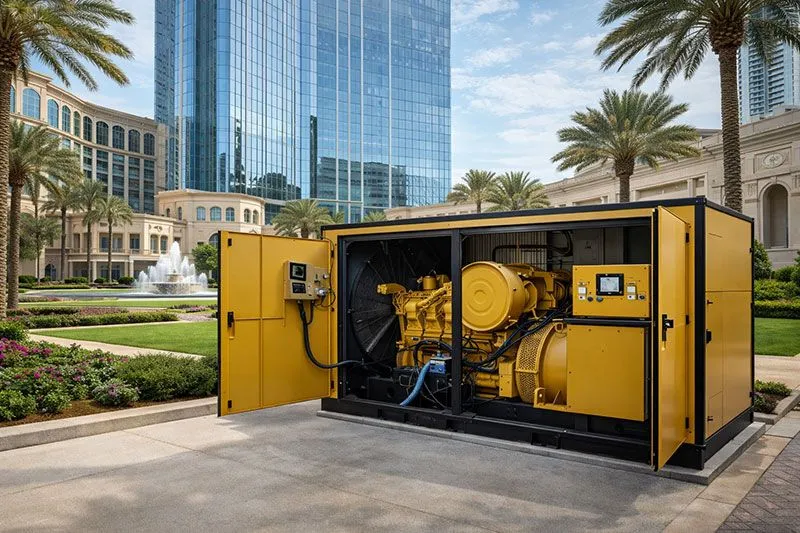
Standby generators spend most of their lives waiting. Whether they're supporting a data center, hospital, military installation, or industrial facility, they may sit idle for weeks or even months before suddenly being called into service. When that moment arrives, there's no room for hesitation—they have to start immediately and perform flawlessly. One of the biggest threats to that reliability isn't the generator itself. It's temperature. Cold weather and fluctuating environmental conditions can have a significant impact on engine performance. Fuel thickens, lubricating oil becomes more viscous, condensation forms inside electrical enclosures, and engine components experience greater stress during startup. The result can be slower starts, increased wear, reduced efficiency, or, in the worst case, a generator that fails when it's needed most. That's why thermal management has become an increasingly important part of generator system design.
More Than Just Engine Heaters
Keeping a standby generator ready goes far beyond warming the engine block. Today's systems often require multiple heating technologies working together to maintain critical components at their optimal operating temperatures. Fuel systems need protection against cold-weather flow issues. Control panels and electrical enclosures must remain free of condensation that can damage sensitive electronics. Intake air may need preheating to improve combustion efficiency, while batteries and lubrication systems benefit from consistent thermal conditioning during extended standby periods. The goal is simple: ensure every critical component is ready to perform the instant power is lost.
Matching the Right Heating Technology to the Application
No single heating solution works for every part of a generator system. Instead, engineers often combine several technologies based on the specific thermal requirements of the equipment. Process air heaters provide controlled airflow for enclosure conditioning, air intake preheating, and maintaining stable temperatures throughout generator housings. Flexible heaters—including silicone rubber, polyimide, and mica designs—deliver direct conductive heat to engine components, fuel lines, tanks, batteries, and other irregular surfaces where traditional heaters may not fit. Enclosure heaters help protect control panels and electrical systems by preventing condensation, freezing, and damaging temperature swings that could compromise system reliability. By selecting the appropriate heating technology for each application, OEMs can improve cold-start performance while minimizing energy consumption during standby operation.
Built for Mission-Critical Applications
Reliable thermal management is becoming increasingly important as standby power systems support more mission-critical infrastructure. Data centers depend on backup generators to keep servers operating during utility outages. Hospitals require emergency power systems that protect patients and life-safety equipment. Military installations, telecommunications networks, microgrids, and industrial facilities all rely on generators that must perform regardless of weather conditions. In these environments, even a brief startup delay can have significant consequences.
Engineering for Long-Term Reliability
Designing an effective generator heating system requires more than selecting a heater. Engineers must consider environmental conditions, available installation space, power consumption during standby operation, vibration resistance, control integration, and long-term durability. TUTCO Farnam works closely with OEMs to develop heating solutions that integrate seamlessly into generator and engine systems. With a broad portfolio that includes process air heaters, flexible heaters, and enclosure heaters, the company helps manufacturers create reliable thermal management systems that keep critical equipment ready for immediate operation. As standby power systems continue to support expanding data centers, renewable energy installations, healthcare facilities, and other essential infrastructure, thermal management is playing a larger role than ever before. By maintaining critical components within their ideal operating temperatures, manufacturers can improve reliability, reduce maintenance, extend equipment life, and ensure generators are ready when they're needed most.
TUTCO HEATING SOLUTIONS GROUP:
DRC Heat Transfer Joins the TUTCO Heating Solutions Group
The TUTCO Heating Solutions Group is growing with the addition of DRC Heat Transfer, a respected U.S. manufacturer of custom heat transfer and cooling solutions. By bringing together the strengths of both organizations, we're expanding the thermal expertise and engineering resources available to help our customers solve even more complex challenges while strengthening our presence in some of today's fastest-growing industries.
For more than 50 years, DRC Heat Transfer has earned a reputation for designing dependable thermal management solutions for demanding industrial applications. The company specializes in custom-engineered heat exchangers, radiators, and cooling systems that support customers across the power generation, industrial, transit, and energy markets. Its expertise in thermal management has made DRC a trusted partner for manufacturers where performance and reliability are critical.
One of DRC's core strengths is power generation. As standby and prime power systems become increasingly important for data centers, healthcare facilities, utilities, and other mission-critical infrastructure, cooling system performance plays a vital role in generator reliability. DRC engineers cooling packages that deliver the airflow, thermal capacity, and durability required to perform under continuous operation and demanding environmental conditions.
For TUTCO customers, this means access to an even broader range of thermal management technologies. While the TUTCO Heating Solutions Group has long been recognized for electric heating solutions, DRC adds complementary expertise in engineered cooling and heat transfer. Together, we're better positioned to provide complete thermal solutions for applications ranging from industrial manufacturing and power generation to data centers, battery energy storage systems (BESS), and other mission-critical infrastructure.
Whether you're designing a new OEM product, improving an existing process, or tackling a unique thermal challenge, you'll continue to have access to an even broader team of experienced engineers committed to finding the right solution. By combining our expertise, we're creating new opportunities to deliver greater value, solve more complex thermal challenges, and support our customers with an even wider range of innovative solutions.
Learn more about DRC Heat Transfer at drcht-com
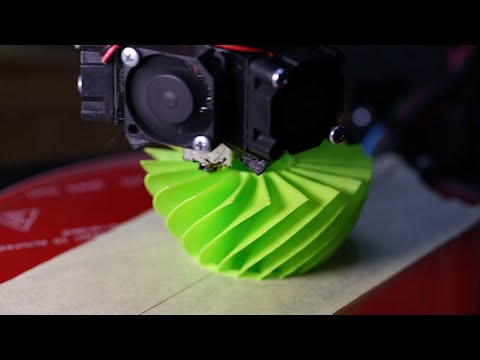
FEATURE VIDEO
TUTCO Heating Solutions for 3D Printing
As 3D printing technology continues to evolve, so do the heating requirements behind every successful print. Whether producing plastic prototypes, metal components, or high-performance composite parts, precise temperature control is essential for achieving consistent quality, strong layer adhesion, and reliable production. From the print head and heated build plate to the chamber and process air, thermal performance plays a critical role throughout the printing process. This month's featured video highlights how TUTCO heating solutions support the growing world of additive manufacturing. TUTCO designs and manufactures complete heating solutions for virtually every stage of the 3D printing process, including cartridge heaters, flexible heaters, air heaters, and custom-engineered thermal systems. Whether you're developing a compact desktop printer or building large-scale industrial equipment, our engineering team can help create a heating solution tailored to your application. With decades of experience designing custom electric heaters for OEM equipment manufacturers, TUTCO can support your project from initial prototype through full-scale production. Our broad range of heating technologies allows us to optimize performance, improve reliability, and simplify integration into your equipment. Watch this month's featured video to learn how TUTCO heating solutions help power today's most advanced 3D printing systems and why leading OEMs continue to rely on TUTCO as their thermal engineering partner.