
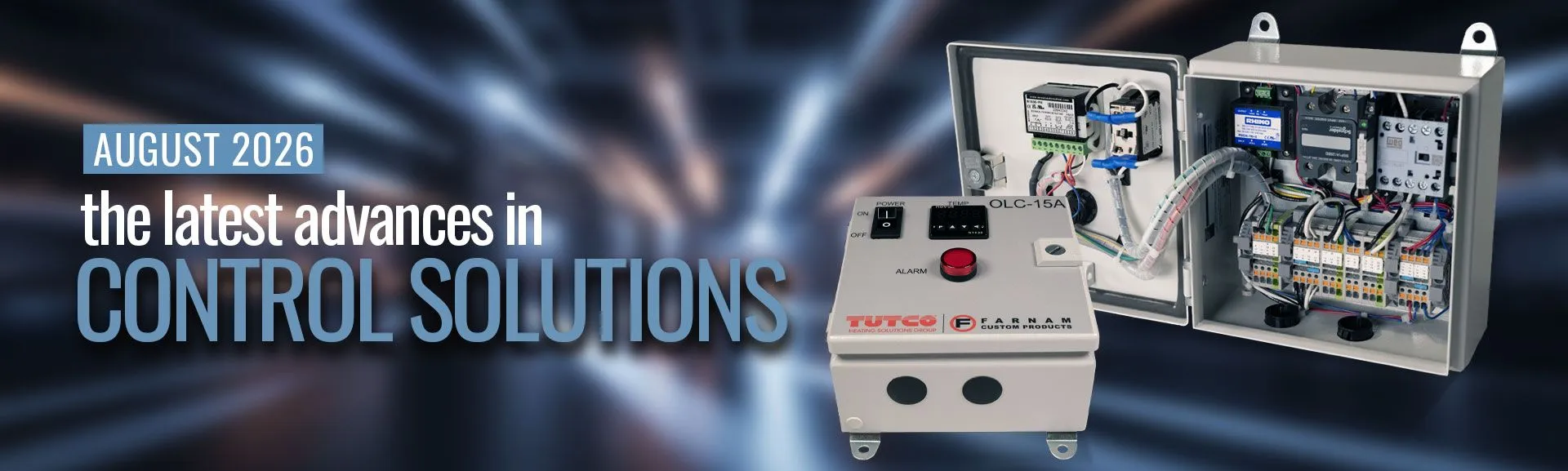
The Latest Advances in Control Solutions
When engineers think about electric process heating, the heater often gets most of the attention. But the right control system is just as important. A well-designed controller not only maintains accurate temperatures—it protects the heater, improves process consistency, simplifies installation, and extends equipment life. That's why TUTCO Farnam offers a complete family of industrial control solutions designed specifically to complement our process air heaters and thermal systems. Whether you need a compact controller for a single heater or a fully customized UL 508A industrial control panel integrated into a complex manufacturing system, our engineering team can provide a solution tailored to your application.
Introducing the New OLC-15A
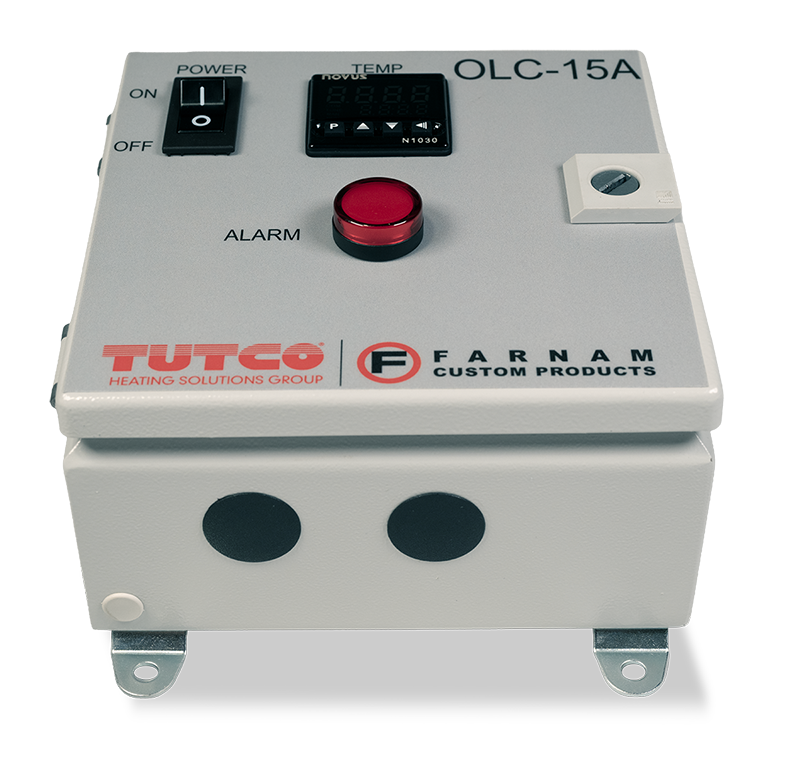 The newest addition to the TUTCO Farnam control family is the OLC-15A (One Loop Controller). Designed to replace our long-standing CC-A15 Control Cube, the OLC-15A delivers the same dependable closed-loop temperature control engineers have trusted for years while incorporating several important improvements. A wider operating voltage range (100–250 VAC), a modern PID controller, easier push-in wiring terminals, bottom-entry cable access, and an updated industrial enclosure make installation faster and operation even more reliable.
Like its predecessor, the OLC-15A is engineered specifically for TUTCO Farnam process air heaters. Simply connect the heater, temperature sensor, and power, and you have a complete PID-controlled heating system ready for OEM equipment, laboratory instruments, semiconductor processes, printing systems, and countless other industrial applications.
Standard Control Panels for Faster Integration
Not every project requires a custom-designed control panel. For many OEMs, TUTCO Farnam's line of standard industrial control panels provides the ideal balance between flexibility and speed. Available in both single- and three-phase configurations from 15 to 125 amps and supporting voltages from 120 to 600 VAC, these panels are engineered for rapid deployment while offering the same proven control architecture found in our custom systems. Each panel incorporates industrial-grade components, PID temperature control, power management, safety features, and communication options to deliver dependable thermal performance across a wide range of manufacturing environments.
When Your Application Demands Something More
 Some applications simply can't be solved with an off-the-shelf controller. That's where TUTCO Farnam's custom industrial control panel capabilities come in. As a UL 508A-listed panel manufacturer, our engineering team designs complete control systems around your equipment—not the other way around. From enclosure selection and electrical schematics to PLC integration, communication protocols, operator interfaces, and factory testing, every panel is engineered to meet the exact requirements of your process. Whether you're controlling multiple heating zones, integrating with facility automation, or managing a sophisticated manufacturing process, we can develop a solution that fits seamlessly into your equipment.
More Than Just a Panel Builder
What makes TUTCO Farnam different is our understanding of thermal systems. Because we manufacture both the heaters and the controls, our engineers understand how airflow, temperature feedback, power delivery, and process dynamics work together. Instead of sourcing heaters from one supplier and controls from another, customers benefit from a complete, application-specific thermal solution developed by one engineering team. That integrated approach reduces engineering time, simplifies startup, improves reliability, and gives OEMs a single partner for ongoing technical support.
Whether you're looking for the new OLC-15A, a standard industrial control panel, or a fully customized automation solution, TUTCO Farnam has the engineering expertise to help you build a complete thermal system that performs reliably from prototype through production.
ENGINEERING INSIGHT
Inside the OLC-15A: The Engineering Behind Reliable Temperature Control
by AJ Nidek
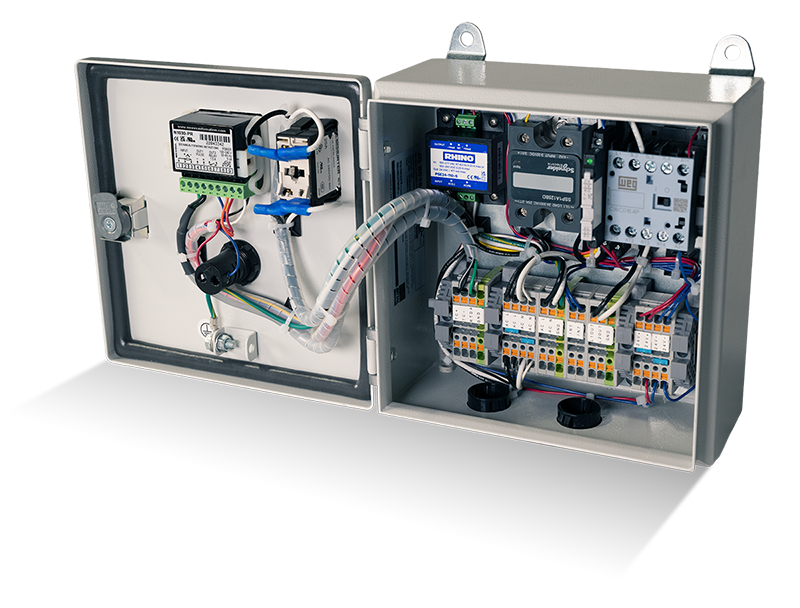
A temperature controller has one job: maintain the right temperature. On the surface, that sounds simple. In reality, delivering stable, repeatable temperature control in an industrial environment requires dozens of engineering decisions working together. The OLC-15A One Loop Controller was developed with that philosophy in mind. Every component was selected, every feature was included, and every layout decision was made to create a controller that is reliable, easy to integrate, and simple to maintain. Here's a closer look at what went into its design.
Precision Starts with the Controller
At the center of the OLC-15A is the Novus N1030 PID controller. Unlike basic on/off temperature controls, a PID controller continuously monitors process temperature and adjusts heater output to maintain a stable setpoint. Rather than waiting for the temperature to drift before responding, PID control makes small, continuous corrections that reduce overshoot and improve stability. That level of control is important in many process heating applications. Whether heating air for drying, curing, packaging, laboratory equipment, or semiconductor manufacturing, consistent temperatures help improve product quality, process repeatability, and overall system performance. The controller also accepts either thermocouple or RTD inputs, allowing engineers to select the sensing technology that best matches their application.
Building Reliability into Every Component
Industrial control panels are expected to perform day after day, often in demanding manufacturing environments. That's why the OLC-15A uses industrial-grade components from manufacturers known throughout the automation industry. Inside the enclosure you'll find a WEG contactor for dependable power switching, a Schneider Electric solid state relay for precise heater control, a Rhino 24 VDC power supply, and an IDEC interface relay. Each component was selected not only for performance, but also for long-term reliability and serviceability. Using proven components helps minimize downtime while giving maintenance personnel confidence in the equipment they're working on.
Designing for the Installer
The OLC-15A was designed to make field wiring as straightforward as possible. Bottom-entry knockouts provide a clean cable path, while top-loading push-in terminal blocks simplify electrical connections and reduce installation time. These may seem like small details, but they make a noticeable difference when integrating the controller into OEM equipment or production machinery. Good engineering doesn't stop at electrical performance. It should also make installation and future maintenance easier.
Safety Is Part of the Design
The OLC-15A continuously monitors process temperature and incorporates built-in over-temperature protection. If the measured temperature exceeds the programmed alarm threshold, the controller removes power to the heater through the contactor while illuminating the front-mounted alarm indicator. The enclosure also includes a door-mounted ON/OFF rocker switch with an integrated circuit breaker, providing both convenient operation and over-current protection in one compact assembly. By incorporating these protective features into the controller, the OLC-15A helps safeguard both the heating system and the equipment it serves.
Designed Around Real Applications
One advantage of developing both heaters and controllers is understanding how the complete thermal system operates. Airflow, heater watt density, sensor location, response time, and control strategy all influence system performance. Rather than treating the controller as a separate component, the OLC-15A was designed specifically to work with TUTCO Farnam process air heaters as part of an integrated heating solution. That approach simplifies system integration while giving OEM engineers confidence that the controller and heater have been engineered to work together.
Engineering Beyond the Components The OLC-15A reflects TUTCO Farnam's approach to engineering: start with the application, choose proven components, simplify installation, and design for long-term performance. The result is a controller that gives OEMs a dependable foundation for precise process air heating, whether they're building a single prototype or thousands of production systems. Because at the end of the day, the best control system isn't simply the one with the most features—it's the one that quietly delivers accurate, repeatable performance every day it goes to work.
THINKING OUTSIDE THE BOX
Out With the Old, In with the New: The new One Loop Controller!
by Jeff Elrod
They do not make them like they used to” is a statement that is heard often, many times while discussing automobiles. While the statement comes from the heart and people generally believe what they are saying, mechanically, today’s cars will last for many more miles. But it does not always feel that way, partially due to our driving habits. Back in the day, people who drove 5,000 miles annually were considered to drive a lot, while today, driving 30,000+ miles annually is not unheard of and is the new normal for many people. When I was a kid in the late 1900s, my dad, who did auto body and mechanic work, always kept an old short-bed Ford pickup truck that he fixed up and painted. Looking back, that old Ford truck he loved was only 10 years old, and 100,000 miles was considered end of life. Today, it is nothing for a 20-year-old car with 200,000 miles to be considered a good automobile with a lot of life left in it. Some particular cars make half a million miles sound easy. The reason for this is that things were updated when better technology became available.
At TUTCO Farnam Custom Products, the Control Cube has held an important spot in our lineup for over two decades. It is by far our most deployed controller in terms of quantity, diversity of applications, and global reach. It has been used in everything from large-format printing to controlling nitrogen temperature to applications in the semiconductor industry, not to mention countless university labs where it has served as a simple, small, cost-effective single-zone controller.
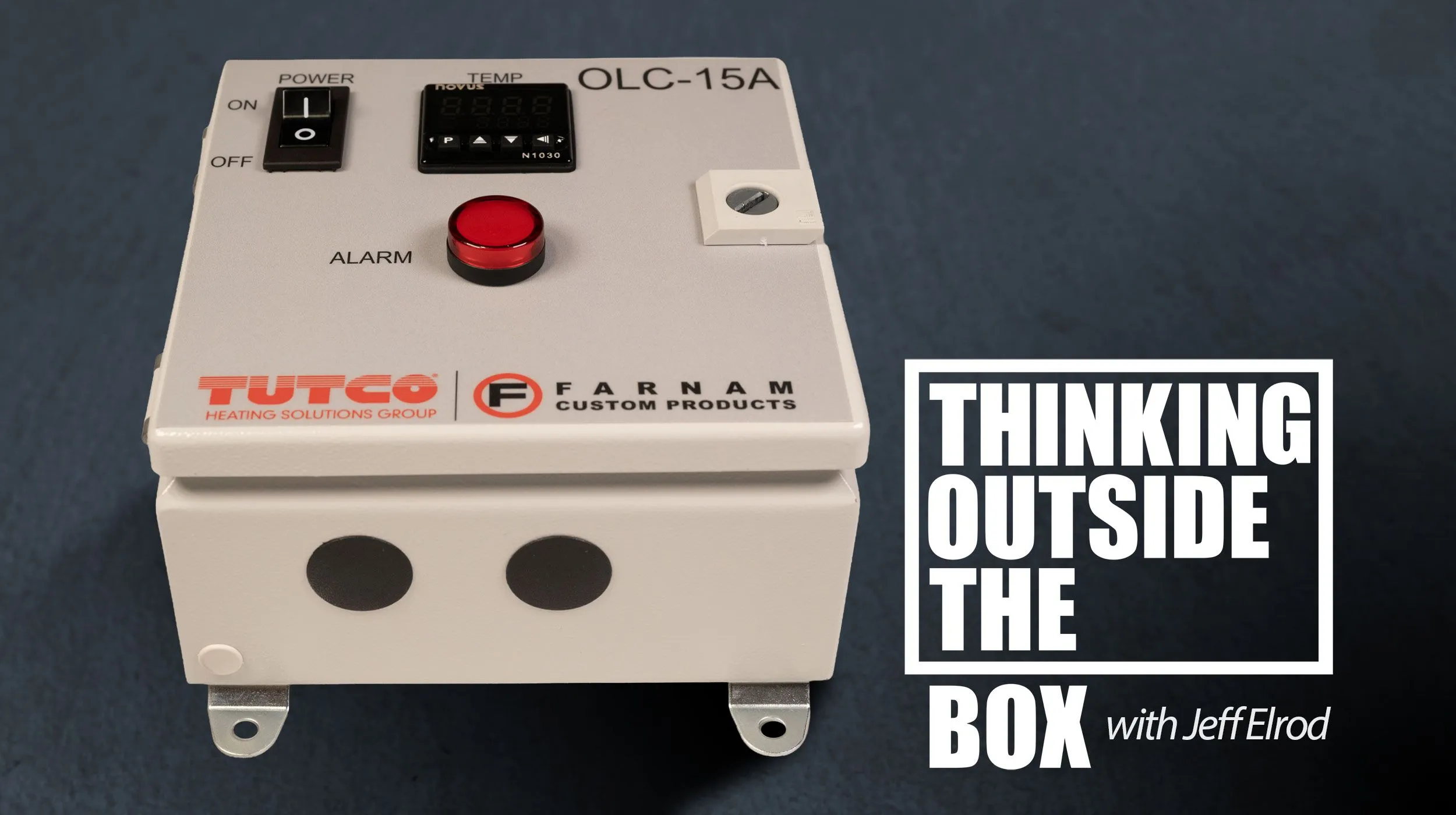
With that being said, times and technologies change, and it was time to move on to the next great product. For a few months now, we have been developing a replacement for the Control Cube—a modern version with better technology and easier operation. The one-loop, 15-amp OLC-15A controller is a terrific replacement for Control Cubes presently in use in the field. It has a similar footprint with improved technology. The assembly process has also been simplified to help keep the cost of the new controller down. Whether you are replacing a Control Cube that has been in the field for 15 years or designing a brand-new system, if you are looking for a single-zone controller that does not need to pull more than 15 amps, you should definitely check out the new OLC-15A.
This controller is rated for a full 15 amps at 100–250 volts, single-phase. It has a small 8"H x 8"W x 4"D footprint, making it usable in tight spaces. It is versatile in its temperature-sensing options, accepting both thermocouple and RTD inputs. This panel has features usually reserved for larger, more custom panels, but at an off-the-shelf price point. Like the Control Cube, it can be used for small, one-off heating applications or higher-volume OEM applications where a small, accurate, and reliable controller is needed.
While the design of the OLC is simple and basic, which may not be “Outside the Box,” the number and types of applications it can be used for can definitely be. Contact us if you are interested in this type of control solution. Bring us your control panel and heating challenges, and let us become your partner in developing a solution. The solution could be off the shelf, like the OLC-15A, or it could require “Thinking Outside the Box”—and that's exactly what we do every day at TUTCO Farnam Custom Products.
FEATURE APPLICATION
The Growing Role of Electric Heat in Hydrogen Fuel Cell Systems
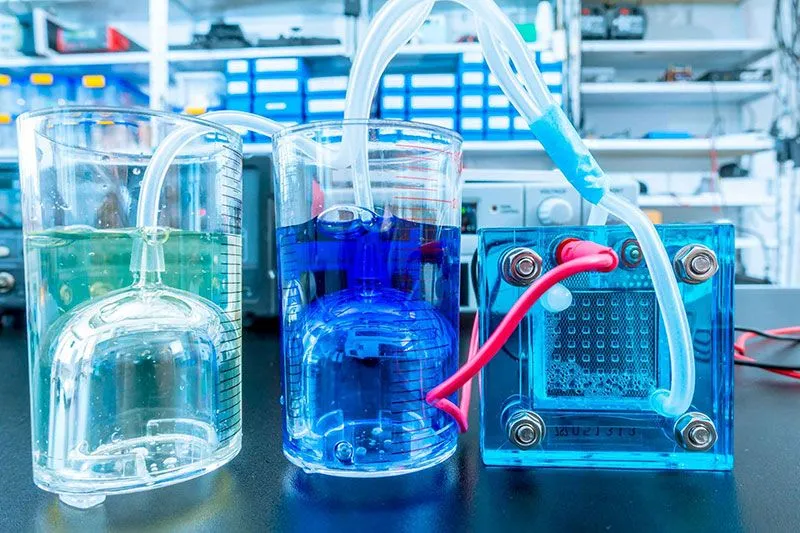
Hydrogen fuel cells are getting a lot more attention as companies look for cleaner and more reliable ways to generate power. We're seeing interest across a range of applications, including data centers, hospitals, telecommunications, remote power systems, and other facilities where dependable backup power is critical. While the fuel cell itself gets most of the attention, there are a lot of supporting systems that have to work correctly for it to perform as intended. One of those is thermal management. Hydrogen and the other gases used within a fuel cell system need to reach the stack at the right temperature, pressure, and flow rate. If those conditions aren't right, efficiency and overall system performance can suffer.
Precise Heat Where It's Needed
Depending on the system, hydrogen, nitrogen, helium, and other gas mixtures may need to be heated before they reach the fuel cell stack. This is especially important during startup or when equipment is operating in colder environments. Electric process heaters are a good fit because they provide fast, controllable heat without introducing combustion into the process. With the right sensors and controls, gas temperature can be closely maintained as flow rates and operating conditions change.
We've been designing high-pressure gas heaters for years for applications such as cold spray processing, where compressed gases have to be brought to precise temperatures quickly and consistently. Many of those same engineering principles apply to hydrogen and fuel cell systems. Every application is different, so heater selection involves looking at the actual gas being heated, pressure, flow rate, inlet and target temperatures, available power, controls, and how the heater will fit into the overall system.
Heating More Than the Gas
Hydrogen systems may have fuel lines, pressure regulation equipment, storage components, electronics, and controls that need to be kept within an acceptable temperature range. Depending on the application, TUTCO Farnam can use flexible polyimide or silicone rubber heaters, mica heaters, enclosure heaters, or a combination of technologies to provide heat where it's needed. For OEMs developing new hydrogen equipment, this flexibility can be particularly useful. Instead of designing a system around an off-the-shelf heater, we can work with the engineering team to develop a heater around the system.
As fuel cells find their way into more backup, distributed, and mission-critical power applications, these thermal details are becoming increasingly important.
DRC HEAT TRANSFER
Engineered Heat Transfer Solutions for Demanding Applications
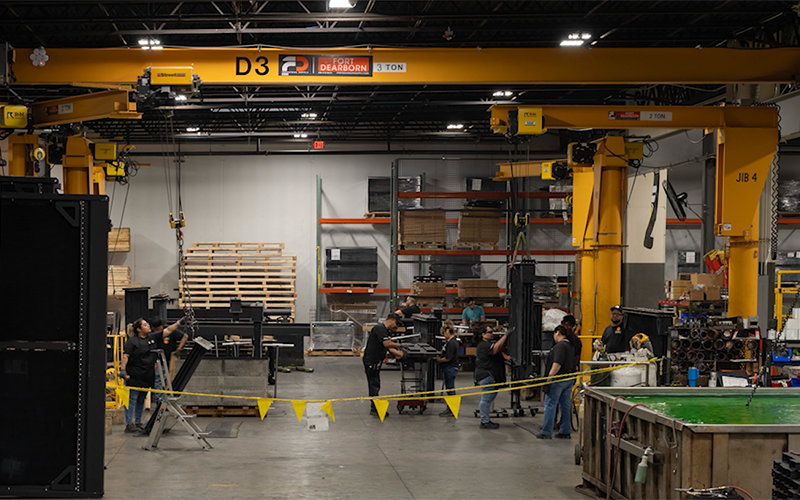
Effective thermal management requires more than generating heat. It also requires removing it efficiently to protect equipment, maintain performance, and maximize system reliability. For more than 50 years, DRC Heat Transfer has specialized in designing and manufacturing engineered heat transfer solutions for OEMs across the power generation, industrial, transit, and energy markets. Rather than offering standard cooling products, DRC develops application-specific systems that address each customer's thermal requirements, packaging constraints, environmental conditions, and performance objectives.
DRC's product portfolio includes complete cooling packages, radiators, charge air coolers, oil coolers, heat exchangers, replacement cores, and auxiliary cooling systems. Whether managing engine coolant temperatures, dissipating heat from lubricating oil and hydraulic systems, or improving charge air efficiency, each solution is engineered to optimize heat rejection while meeting the mechanical and operational requirements of the equipment.
One of DRC's core strengths is power generation. As standby and prime power systems become increasingly important for data centers, healthcare facilities, utilities, and other mission-critical infrastructure, cooling system performance plays a vital role in generator reliability. DRC engineers cooling packages that deliver the airflow, thermal capacity, and durability required to perform under continuous operation and demanding environmental conditions. The same engineering approach extends across a wide range of industrial applications. Mobile equipment, stationary industrial machinery, compressor packages, and energy systems all present unique thermal challenges. DRC works closely with OEM engineering teams to optimize cooling performance while balancing airflow, pressure drop, noise, packaging, weight, corrosion resistance, serviceability, and manufacturing requirements.
Beyond supplying components, DRC provides engineering support throughout the design process. Using thermal analysis, application engineering, and prototype validation, the company helps customers develop cooling systems that integrate seamlessly into new equipment while improving long-term performance and reliability. As equipment becomes more powerful, more compact, and more energy efficient, thermal management continues to play an increasingly important role in product design. DRC Heat Transfer combines decades of engineering experience with custom manufacturing capabilities to help OEMs solve complex heat transfer challenges across today's most demanding applications.
Learn more about DRC Heat Transfer at drcht-com
FEATURE VIDEO
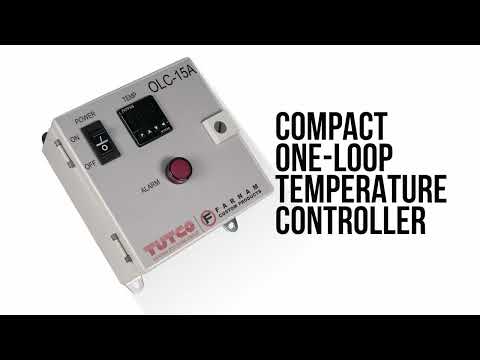
Inside the OLC-15A Temperature Controller
Precise temperature control is an important part of any electric process heating system. The new TUTCO Farnam OLC-15A One Loop Controller provides a simple, compact solution designed specifically for TUTCO Farnam process air heaters up to 15 amps. Pair the OLC-15A with a TUTCO Farnam heater and temperature sensor, and you have a complete control solution without the time and complexity of designing a custom control panel. At the heart of the unit is a Novus PID controller that continuously monitors process temperature and adjusts heater output for fast response, stable operation, and accurate temperature control. But what goes into making it work? This month's featured video takes you inside the OLC-15A for a closer look at the industrial components behind its performance. See how the contactor, solid state relay, 24-volt power supply, sensor connections, built-in circuit protection, and other components work together in one compact package.